
The Double-Edged Sword of Advanced Car Technologies: Convenience vs. Complacency
Introduction:
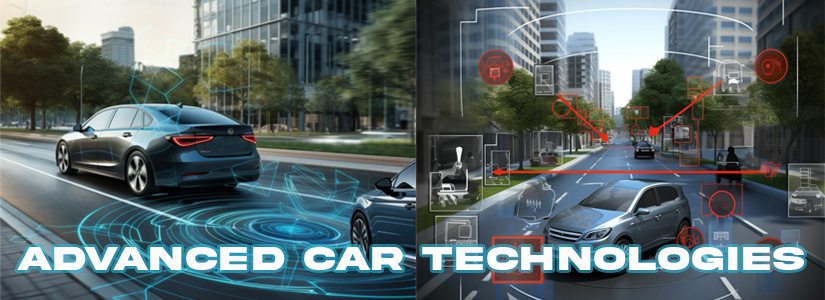
Over the past decade, Body Perfect Wrexham has seen a rapid technological evolution, transforming how we drive and experience the roads. Features like adaptive cruise control and lane-keeping assist, once considered luxurious additions to high-end vehicles, have become commonplace in many modern cars. These advanced driver-assistance systems (ADAS) promise safer and more convenient driving experiences, leading many drivers to view them as essential tools for navigating the roads. However, this growing reliance on advanced technologies raises an important question: Could the comfort provided by these systems lead to complacency and increased distraction while driving?
The Transition from Luxury to Necessity:
As adaptive cruise control and lane-keeping assist became more prevalent and accessible, drivers quickly recognised their benefits. Adaptive cruise control automatically allows vehicles to maintain a safe distance from the car ahead. Meanwhile, lane-keeping assist ensures the vehicle stays within the designated lane without continuous driver input. These features alleviate the physical and mental burdens of driving, making long journeys more comfortable and potentially reducing fatigue.
From a luxury reserved for high-end models, these technologies have trickled into affordable cars, becoming standard or optional. As a result, many drivers have grown accustomed to their presence and now consider them indispensable for their daily commutes and road trips.
Convenience and Safety Go Hand-in-Hand:

Undeniably, advanced driver-assistance systems have significantly improved road safety. Studies have shown that these technologies can prevent accidents caused by human error, such as distracted driving, speeding, or following too closely. By taking care of repetitive tasks like adjusting speed and maintaining lane position, ADAS allows drivers to focus more on the road ahead and potential hazards.
Furthermore, adaptive cruise control and lane-keeping assist in smoother traffic flow and reduce the likelihood of tailgating and sudden lane changes, thereby enhancing overall road safety for all motorists.
The Potential Pitfall: Complacency and Distraction:
While ADAS offers various safety benefits, the growing reliance on these technologies poses a potential risk: driver complacency. The more comfortable and confident drivers feel with these systems, the more likely they will become complacent behind the wheel. This complacency can lead to a false sense of security and a reduced level of vigilance, as drivers may assume that the technology can handle all aspects of driving.
As drivers become less engaged in driving, they might be tempted to engage in other distracting activities, such as texting, browsing their smartphones, or adjusting infotainment systems. Studies have suggested that drivers using ADAS may be more prone to distraction than those driving without such technology, as they may be overestimating the capabilities of these systems.
Striking the Right Balance:
The key to maximising the safety benefits of advanced driver-assistance systems while minimising the risk of driver complacency lies in striking the right balance between technology and human involvement. Car manufacturers and safety advocates must emphasise the importance of staying attentive and alert while using ADAS.
Simon Edwards (MD) at Body Perfect Wrexham said, “I haven’t noticed an increase in any car body repairs in Wrexham that have been a result of ADAS, but as the technology progresses, I think drivers may start to become more reliant on them and as a result may be less aware of the road conditions and other vehicle movement through complacency and distraction. Education and awareness campaigns should highlight the limitations of these systems and remind drivers that they are still ultimately responsible for the safe operation of their vehicles. Additionally, implementing more robust driver monitoring systems can help detect signs of distraction and alert drivers to re-engage with the driving process when necessary.”
10 of The Most Common ADAS – Advanced Driving-Assistance Systems in Use Today:
Here are ten advanced driver-assistance systems (ADAS) commonly found in modern vehicles, along with a brief explanation of each one:
- Adaptive Cruise Control (ACC): ACC is an upgraded version of standard cruise control. It uses radar or cameras to detect vehicles ahead and automatically adjusts the vehicle’s speed to maintain a safe following distance. It can accelerate or decelerate without driver intervention, enhancing comfort and safety on long journeys.
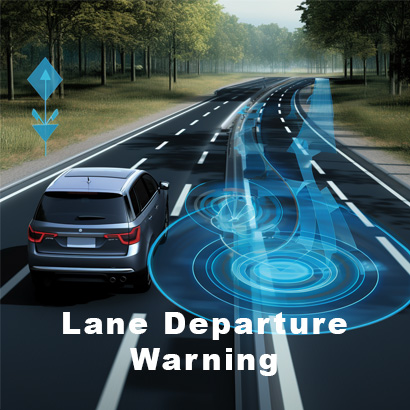
- Lane Departure Warning (LDW) and Lane Keeping Assist (LKA): LDW uses cameras to monitor lane markings and alerts the driver if the vehicle unintentionally drifts out of its lane. In addition to warnings, LKA can gently steer the car back into the correct lane, helping prevent accidents caused by lane departure.
- Autonomous Emergency Braking (AEB): AEB is a collision avoidance system that uses sensors to detect potential collisions with obstacles or pedestrians. If the driver fails to respond to the warning, the system automatically applies the brakes to mitigate or avoid the impact.
- Blind Spot Detection (BSD): BSD utilises sensors to monitor the vehicle’s blind spots and alerts the driver when another car is in the blind spot area. This helps prevent accidents during lane changes and improves overall awareness.
- Rear Cross-Traffic Alert (RCTA): RCTA warns the driver of approaching vehicles or pedestrians while backing up, especially in crowded parking lots or areas with limited visibility, reducing the risk of collisions.
- Traffic Sign Recognition (TSR): TSR uses cameras to read traffic signs such as speed limits, stop signs, and no-entry signs. It displays this information on the vehicle’s dashboard, helping the driver stay aware of the current regulations and limits.
- Pedestrian Detection System (PDS): PDS uses sensors like cameras and radar to identify pedestrians near the vehicle’s path. The system provides visual and audible warnings to alert the driver and can even initiate AEB in critical situations to avoid hitting pedestrians.
- Drowsiness Detection System: This system uses sensors, cameras, or steering behaviour analysis to detect driver fatigue or drowsiness. When it detects potential drowsiness, it alerts the driver to take a break, preventing accidents caused by inattentiveness.
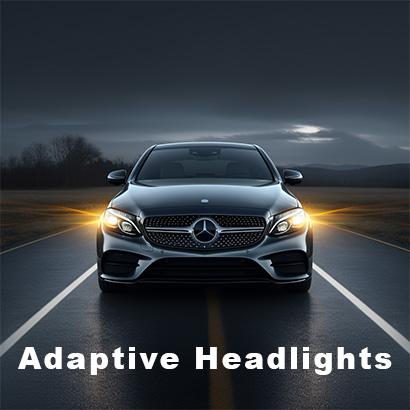
- Adaptive Headlights: Adaptive headlights adjust their direction and intensity based on steering angle, vehicle speed, and environmental conditions. They enhance visibility during turns and in low-light situations, providing better illumination and reducing the risk of accidents.
- Surround-View Cameras: Surround-view cameras utilise multiple cameras around the vehicle to create a composite, top-down view of the vehicle’s surroundings. This system aids in parking and manoeuvring in tight spaces, improving safety and preventing damage to the vehicle.
Technology rapidly evolves, and new ADAS features may have been introduced since my last update. Refer to the latest vehicle specifications and user manuals for the most up-to-date information.
Conclusion:
The transition of advanced car technologies from luxuries to necessities has undeniably transformed how we drive, offering enhanced safety and convenience on our daily journeys. However, it is essential to remain cautious about the potential risks of increased reliance on these technologies. While advanced driver-assistance systems can make driving safer, they should never be seen as a replacement for responsible and attentive driving.
Drivers must remember that they play a crucial role in ensuring the safe operation of their vehicles, even when ADAS is present. By striking a balance between technology and human involvement, we can harness the full potential of these innovations while minimising the likelihood of driver complacency and distraction on the roads.


