
I’ve Had A Car Accident. It Wasn’t My Fault. What Should I Do?
When would I not be at fault for a car accident?
The realm of car insurance focuses solely on liability concerning vehicle collisions. Still, various scenarios exist where your vehicle may incur damage not caused by you, such as vandalism or severe weather. Comprehensive car insurance typically covers such damages, but you may have to pay an excess.
When multiple cars are implicated in an accident, the degree of fault is often divided among the parties involved, referred to as a split liability settlement. Nonetheless, some situations may designate a single driver solely responsible for the incident and at fault; this would be referred to as a ‘None Fault Accident’ such as:

- They are admitting liability at the scene. In the aftermath of any accident, if Driver A says something like, “I didn’t see you”, or even apologises to Driver B in the presence of witnesses, courts frequently consider this an admission of liability, and Driver A will automatically be found at fault.
- Intoxication. The fault will typically be assigned to a driver who is under the influence of alcohol or drugs if the other driver is not intoxicated in any way.
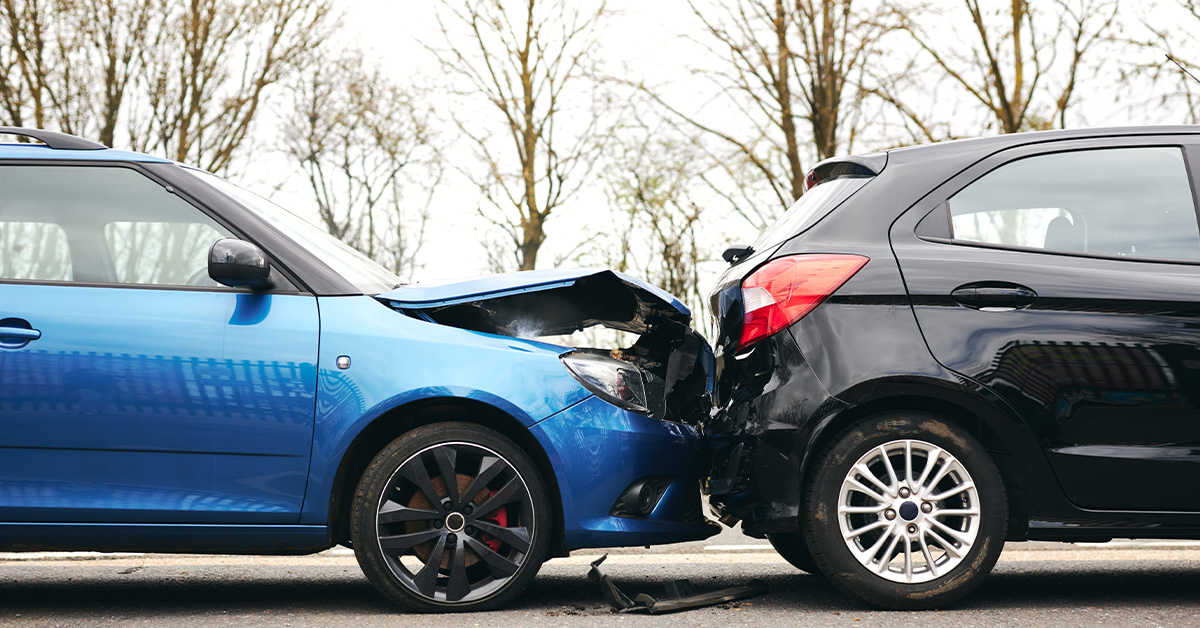
- Getting hit from the rear by another driver. If someone runs into the back of your car, they will almost always be considered at fault. However, this can sometimes be disputed if there is dashcam evidence to prove otherwise.
- Failing to obey a stop sign: In most cases, the other driver will be considered responsible for the accident if it can be demonstrated that they did not yield the right of way to you while driving lawfully. However, suppose you could have braked or swerved to avoid the collision. In that case, you may also bear some responsibility.
- Jumping a red light: If another driver collides with you due to failure to obey a traffic signal, they will be found at fault in most cases. Again, suppose you had any option of trying to prevent the accident but failed to do so. In that case, you may be liable for contributing to the accident due to negligence.
This list is a guide to the more common reasons a driver would be deemed to be responsible for an accident. If you believe that the cause of the accident was the other driver’s actions, then it would be advisable to call the police, who will investigate and make a report.
What should I do in the event of any vehicle accident?
If you have been involved in a car accident, whether it was not your fault or not, there are several essential things you should do:
- Check for injuries: The first thing to do is to check yourself and others for injuries. If anyone is injured, call an ambulance immediately.
- Call the police: It’s important to call the police and report the accident, especially if there has been any injury or you feel the accident is the result of a traffic offence. The police will come to the scene of the accident, investigate what happened, and make a report.
- Gather information: Collect information from the other driver, including their name, contact information, and insurance details. It would be best to take pictures of the accident scene, including any vehicle damage.
- Notify your insurance company: Contact your insurance company and let them know what happened. They will advise you on the next steps and may also help you file a claim with the other driver’s insurance company.
- Organise accident repair: If you’ve had an accident and need to organise a repair quickly, contact Body Perfect at 01978 313 900. We will then arrange for one of our accident repair technicians to assess any damage. Body Perfect performs a wide range of repairs to get you back on the road. Once our technician has completed a damage assessment, we will supply you with a quote based on the result.
- Seek legal advice: If you or anyone else is injured, you may want to consult a personal injury lawyer. They can advise you on your legal options and help you pursue compensation for any damages or losses.
Remember, even if the accident was not your fault, it’s essential to remain calm and avoid admitting fault or apologising, as this could be interpreted as an admission of guilt.
Do You Have To Claim On Your Insurance?
It’s not always necessary to file a claim on your insurance policy, even if you’re eligible to do so. Sometimes, for small amounts, it may not be worth it because the increase in your future premiums could exceed your compensation.
However, it’s important to file an insurance claim if someone has suffered a personal injury. These injuries can be costly and may result in long-term health issues.
Even if you decide not to file a claim on your insurance policy and choose to get the repair done yourself, you should still inform your insurer about the incident. Failure to report it may cause future problems if you decide to file a claim.
Motor Vehicle Block Exemption Regulation
- Motor Vehicle Block Exemption Regulation – GOV.UK (www.gov.uk)
- Under the Block Exemption Regulation, you can select the repair company of your preference, even when filing a car insurance claim.
- Your insurance provider is prohibited from coercing you to use their recommended repair service, and they are still obliged to cover the repair costs upon approval of your claim.
- The ‘Block Exemption Regulation’ grants you the freedom to opt for a trustworthy and familiar garage that will provide satisfactory repairs and spares you the hassle of travelling to your insurer’s designated repairer.
Key Points
- When you make an insurance claim for car repairs, you can choose your own repairer.
- You need to check with your insurer. If you choose your repair company, will they supply a courtesy car? Body Perfect will provide you with a courtesy car if not.
- Once you have chosen Body Perfect as your preferred repair company, our Accident Management Centre will manage the whole process from start to finish, including liaising with your insurance company.
- Your insurer will approve all quotes before any repair work is carried out.
Please note that the information provided here is intended for advisory purposes only. You should always check with your insurer regarding their specific procedures for dealing with accidents. In addition, it is important to note that Body Perfect assumes no responsibility for any actions you take during or after an accident. Any decisions you make are solely your responsibility. Therefore, we strongly advise you to seek professional advice from your insurer or a legal representative to ensure that you take appropriate actions in the event of an accident.


